


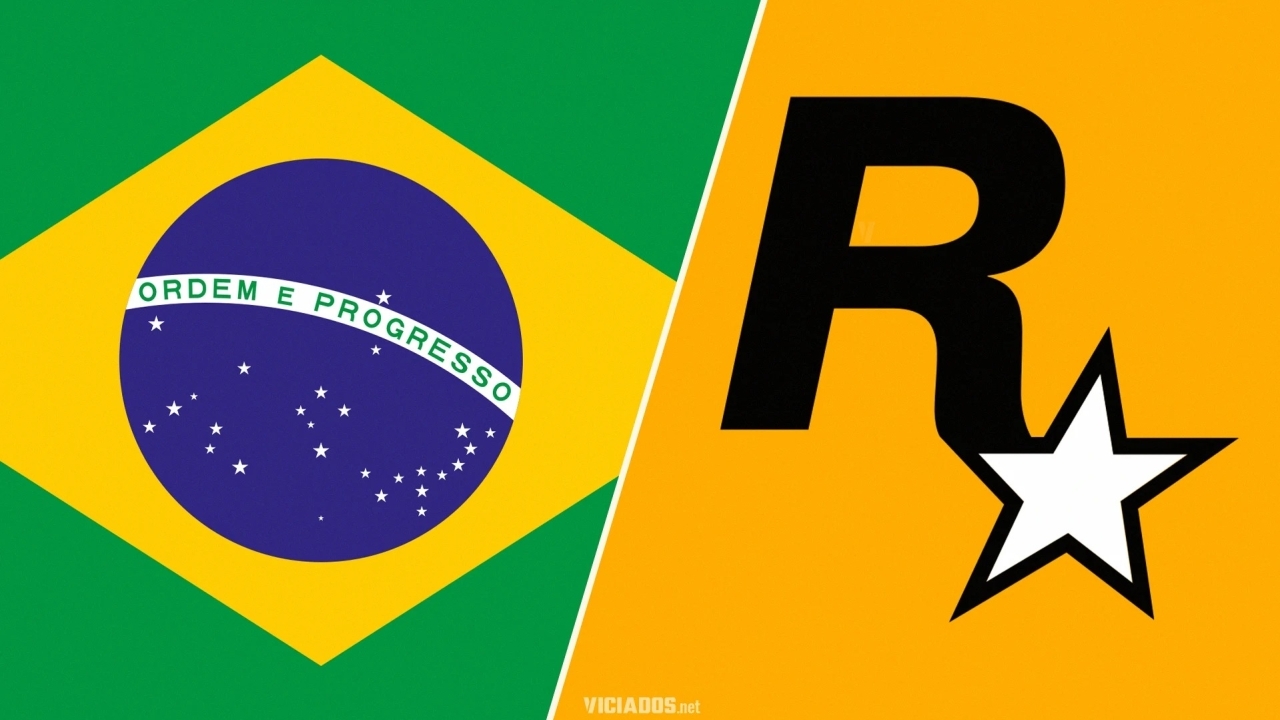
Rockstar suspends direct sales in Brazil after Felca Law
Starting on March 16, 2026, Rockstar Games made the drastic decision to block the purchase of their titles through the Rockstar Games Store and the Rockstar Games Launcher in Brazilian territory. The reason behind this move is the entry into force of the Digital ECA, the controversial Law 15.211/2025, popularly known as the Felca Law. Instead of adapting their age verification systems to the new national requirements, the company preferred to simply cut off direct access to the store, which shows a certain resistance to dealing with local bureaucracies, even if it means fewer purchasing options for consumers.
The impact for those who already own the games, however, is null. Rockstar ensured that access to titles purchased before the cutoff date remains normal within the launcher. Interestingly, the sale of virtual currencies, such as Shark Cards from GTA Online and Gold Bars from Red Dead Online, was not affected by the change, which makes it clear that the financial interest in microtransactions remains a top priority for the company. For a player who wants to buy a new game today, the way forward will be to turn to third-party stores, such as Steam, Epic Games Store, PlayStation Store, or Microsoft Store, where titles remain available without restrictions.
" Rockstar did not provide further details, but it implies that it is not willing to comply with the Digital ECA."
This stance of the owner of Grand Theft Auto contrasts with what other giants in the sector are doing. Riot Games, for example, chose a different approach by temporarily raising the age rating of League of Legends and 2XKO to 18 years while finalizing the parental control tools required by the law. It is a scenario of uncertainty where each company reacts differently: while Riot tries to adjust to not lose the young audience, Rockstar prefers bureaucratic isolation, pushing the problem to partner distributors. In the case of Valorant, the consent system for minors aged 12 to 17 was already in operation, which prevented major changes.
The Felca Law was born with the aim of protecting minors in the virtual environment, replacing ineffective self-declaration with stricter verification methods. The project gained momentum after reports of adultization of children on digital platforms and was sanctioned in September 2025. It is regrettable that legislation aimed at security results in less accessibility in official stores of major studios, but that is the price of the lack of dialogue between national regulations and global policies of developers.
The Brazilian situation seems to be a laboratory for how these companies will deal with data protection and age protection laws around the world. While Rockstar remains silent about the technical details of the suspension, the public is held hostage by platforms that already have integrated verification systems. The movement suggests that Rockstar's own infrastructure may not have been ready for such documentary rigidity, opting for the easiest — and less friendly to the fan — way out of closing the store doors.
Comments
Log in to your account or create one for free on MG Community to participate in comments.