


Owner of GameSpot reaches agreement to acquire Playstack
The financial ecosystem behind the operation will channel significant amounts of money within the corporate market. The transaction is expected to inject an estimated net amount of 112.4 million pounds in cash into the coffers of TruFin. This move gains a solid justification when we analyze the recent performance reports of the independent game distributor, which reported a gross revenue of 55.3 million pounds throughout 2025. This amount represented a jump of 24% year-on-year, capturing a slice corresponding to 83.9% of all revenue generated by its current parent company. Subtly, we notice how the traditional financial market sees gaming studios merely as temporary cash cows. At the moment a company reaches its peak valuation thanks to the talent of creative developers, majority shareholders rush to pass the business along, pocketing quick profits and leaving the future of these studios' artistic freedom at the mercy of media giants focused solely on engagement metrics and return-on-investment spreadsheets.
The buyer's asset portfolio is robust and expands its branches across various sectors of digital entertainment. IMC operates as the investment and participation arm of the private equity firm TPG. According to the institutional guidelines described on its official page, the holding company seeks to acquire companies with attractive fundamentals to partner with existing management teams, aiming to drive sustainable value creation. In practice, the giant already commands major brands in journalism and the gaming community, being the official owner of the media outlet GameSpot, the digital encyclopedia platform Fandom, and the YouTube entertainment channel Screen Junkies, as well as managing portfolios in the e-commerce and soccer segments.
The executive leadership of the publisher came forward to try and calm the nerves of the community and partner developers after initial information about the sale started circulating behind the scenes in the industry.
"I am excited to share that Playstack is entering its next chapter with a new investment partner. In practical terms, this is a change of ownership and not a change in who we are. Our team, our strategy, and our commitment to publishing premium independent games remain exactly the same. For now, it's business as usual. I am sincerely grateful to TruFin for being an invaluable partner over the last seven years, helping us reach this exciting next step. I look forward to sharing more about the future with all of you soon." — pondered the founder and CEO of the publisher, Harvey Elliott, in an official statement released on the company's channels.
In a parallel official statement, the current controller defended the divestment as a strategically planned maneuver.
"We believe that the disposal of Playstack represents a milestone for TruFin and a clear demonstration of our disciplined approach to capital allocation and value creation. We've greatly enjoyed working with the team over the past years and hope they achieve success in the future. IMC is a superb platform for the next phase of their journey and we wish the best of luck to the IMC team in the future." — declared the CEO of TruFin, James van den Bergh.
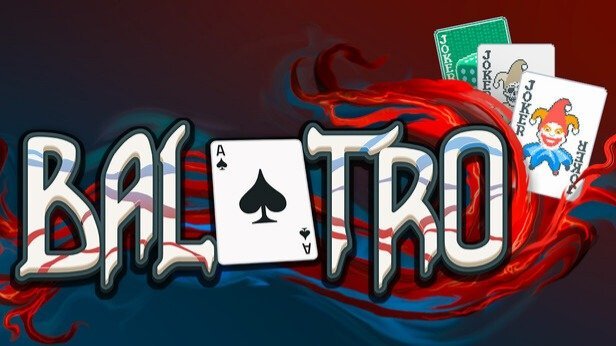
The publisher recently gained global notoriety by marking an enviable streak of commercial and critical successes in the market, being responsible for releasing popular hits like the addictive card game Balatro, the survival simulator Abiotic Factor, and the acclaimed investigation title The Rise of the Golden Idol. Prior to closing the sale, TruFin itself had highlighted the unusual effectiveness of its subsidiary in the lower-budget gaming market, noting that an impressive 85% of titles released under the label generate a positive financial return for investors.
The legal machinery for the brand's control transfer has already been set in motion behind the scenes in the tech industry, according to initial data gathered and published by reporters at the portal Game Developer. The agreement stipulates that TruFin conditionally agreed to sell its 84.5% majority stake in the publisher to Integrated Media Company, known in corporate circles by the acronym IMC. For the deal to be finalized, the operation still needs to pass the scrutiny of an official shareholder vote, although the board has already issued a formal recommendation for all members to vote in favor of the deal's approval.
Last year, the main commander of the distributor had already analyzed how the overwhelming success of their indie productions altered the internal team's perception of the global market.
"What changed for us is that it gave us a bit of confidence." — recalled Harvey Elliott while detailing the company's growth trajectory in an interview with journalists from the British outlet GamesIndustry.biz.
Subtly, we notice a clear contradiction in the corporate narrative that "everything will remain exactly the same" after the sale. It's naive to believe that a holding company owning major media portals and controlled by private equity funds won't interfere with the publisher's editorial line and release decisions. The relentless pursuit of "sustainable value creation" almost always results in the loss of boldness that made original titles possible, transforming a once daring publisher into just another assembly line focused on replicating safe formulas and maximizing profits for the top of the corporate pyramid.

Comments
Log in to your account or create one for free on MG Community to participate in comments.