


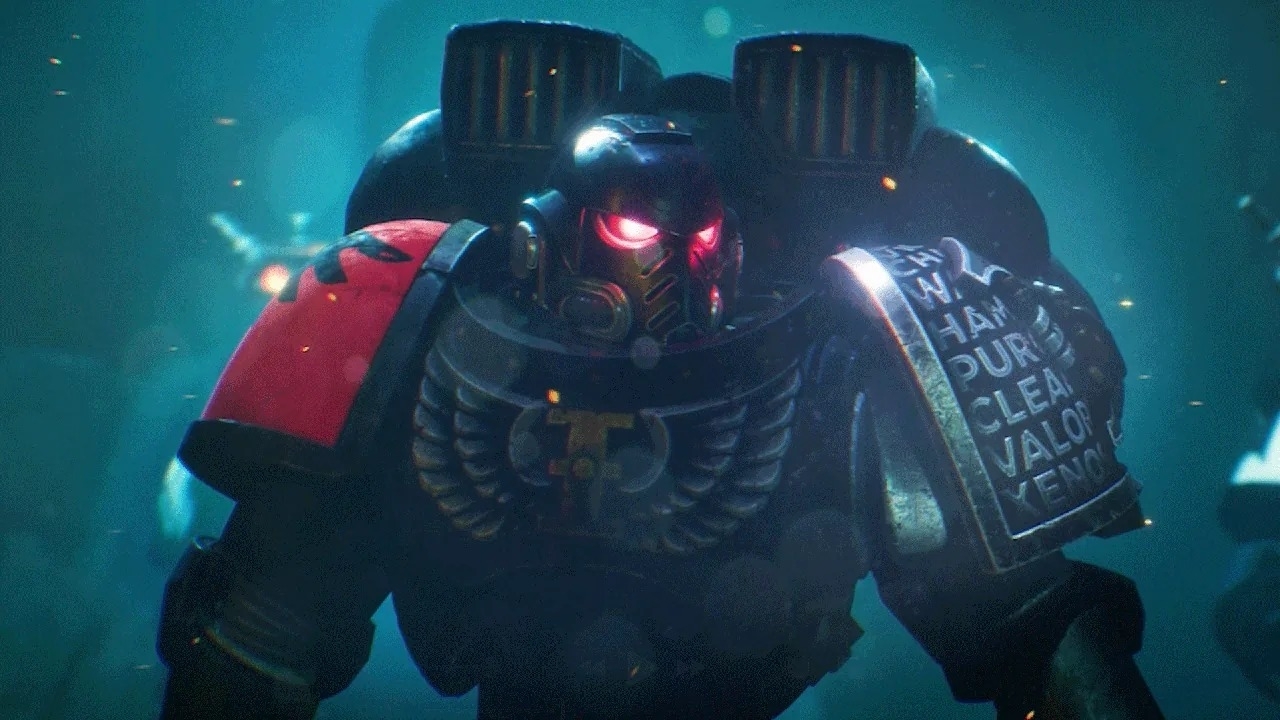
Deathwatch will bring new battles to the Warhammer universe
Commanders who enjoy focusing solely on direct combat and testing troop compositions will be greeted with the brand-new Skirmish Mode, an option designed to facilitate battles separate from the main campaign. The combat arenas will feature destructible cover systems and various environmental hazards, serving as crucial tactical tools to alter the course of the toughest confrontations. Beyond the war arenas, the management layer will require the player to spend time collecting intelligence reports and implementing structural improvements on the inquisitorial ship serving as the base of operations. Subtly, it's noticeable that developers remain obsessed with inflating games with secondary base management systems and repetitive resource collection, a bureaucratic design choice that often disrupts the rhythm of tactical action and turns the breaks between missions into a tedious spreadsheet task.
The global reveal occurred during the broadcasts of the Warhammer Skulls 2026 festival, confirming that Warhammer 40K: Chaos Gate – Deathwatch will function as a direct follow-up to the praised Daemonhunters. The developer has structured this new narrative journey around the defense of the Tyrian sector against advancing biological and alien threats, placing the user in the role of a newly authorized Inquisitor tasked with leading the Empire's greatest xenos hunters. The game's release is ensured with native versions for computers and for PlayStation 5 and Xbox Series consoles.
"Expanding the turn-based tactical systems that established the game's first chapter." — emphasized the technical announcement by detailing the production’s mechanical foundation.
The game's ecosystem will add community-demanded features, offering three distinct playable forces and more than ten mission archetypes to stave off repetitiveness. Elite squads can be assembled by blending warriors from the Deathwatch, Inquisition agents, and Astra Militarum soldiers, in addition to introducing control of iconic heavy vehicles within scenarios, such as Leman Russ tanks and the imposing Redemptor Dreadnought. Implicitly, it is observed that the promise of a flood of classes, vehicles, and dozens of mission types right in the first trailer is a well-worn marketing tactic to disguise the fact that most of these tactical games suffer from severe balancing issues at launch, where two or three stronger units end up making the rest of the planned arsenal obsolete.
Players will need to quickly adapt their positioning to face seven unique enemy factions, a roster of threats ranging from brute hordes of Orks to conniving Genestealers cults and the technological precision of the T’au Empire. Critically, the point is made that placing so many different factions to interact on the same rule board might prove a dangerous trap for developers. Rather than focusing on finely polishing and refining the artificial intelligence of two or three iconic armies, the team risks delivering a shallow experience where enemies behave in the same predictable manner, merely altering textures and armor colors on the player's screen.

Comments
Log in to your account or create one for free on MG Community to participate in comments.