


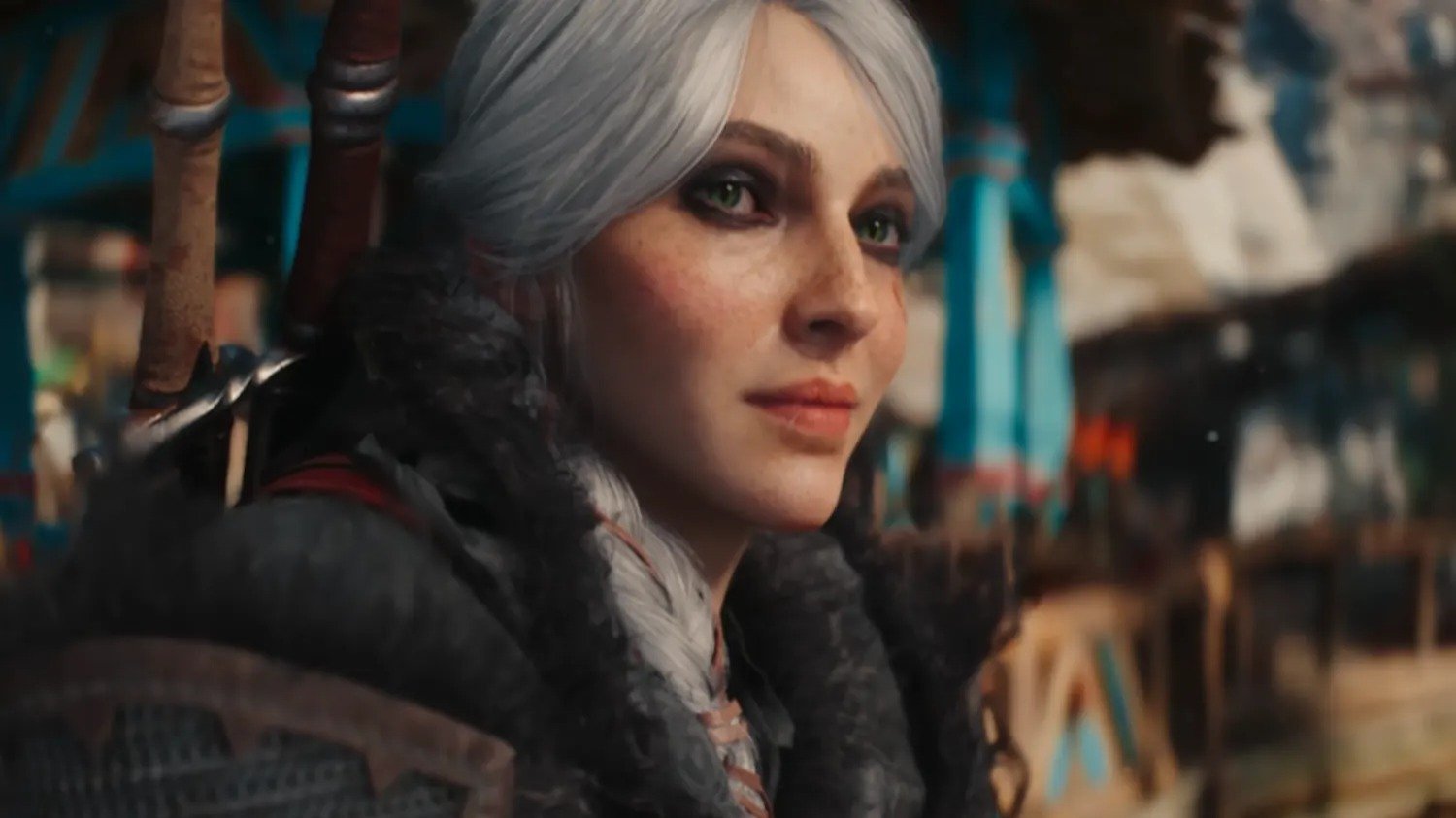
CD Projekt begins an intense phase in the production of Witcher 4
The long-term commercial strategy devised by the Polish board outlines an aggressive pace for upcoming years, supporting the public pledge to introduce three new titles set in the witcher universe over a span of six seasons, with the upcoming The Witcher 4 as the starting point of this new journey. The leadership highlighted a dramatic shift in the post-launch philosophy for this future trilogy. Unlike the model followed by the acclaimed The Witcher 3: Wild Hunt, the current trend suggests that future productions will be limited to base games, omitting the development of traditional expansion packs after their initial server release. Subtly, it is observed how major producers employ narratives focused on the main game to disguise cost-cutting measures concerning additional story content, preferring to direct team efforts towards releasing complete sequels at full price as quickly as possible to boost seasonal sales.
The brand's accounting wheels got a significant breather thanks to the commercial performance of its classic products. In the balance sheet for the first quarter of 2026, the holding company reported a 6% increase in overall revenue, totaling 191 million zlotys, equivalent to 52.5 million dollars. The driving force behind this result was the witcher brand ecosystem, which saw its isolated revenue jump 36% to hit 44.7 million zlotys, fueled by the fact that the original 2015 game broke past the historical milestone of 65 million copies distributed worldwide.
“First and foremost, we really want to deliver a great experience for the fans; a really cool expansion that will make people happy to return to the The Witcher 3 setting. Indirectly, it is somewhat like a reminder, a prologue—not literally, but a prologue to The Witcher 4 itself, and you can see it as a way to keep some buzz around The Witcher 3. But all these are side effects, while the central thing, from our point of view, is delivering a high-quality experience for existing fans.” — argued the company’s co-executive president, Michał Nowakowski, during a Q&A session with stakeholders.
The developer's internal labs underwent a structural rearrangement to handle the workload demanded by the new generation. The company confirmed it has already pulled the triggers to begin the most aggressive and intensive development phase of the franchise's next main game, allocating a robust force composed of 513 professionals solely dedicated to the programming lines of this large-scale project.
The timetable for parallel releases, however, encountered alterations that delayed the original plans of the community. The third official expansion for The Witcher 3, named Songs of the Past and created in collaboration with the external studio Fool's Theory, saw its release postponed to next year, abandoning the initial window that anticipated a debut still within 2026. Management justified the maneuver stating the need to seek the best possible outcome from the consumer's perspective, further confirming that the supplementary material will be restricted to next-generation consoles, leaving out past generation devices. Subtly, a clear contradiction in management's stance is noted as they push additional content to 2027 under the excuse of polishing. Using a game over a decade old as a sort of transitional marketing piece to keep the brand in the spotlight reveals the studio's desperation to fill the current release gap, recycling old code with outsourced teams while the main game remains without a concrete date.
The new story content aims to recapture the vigor of the witcher's past adventures, which historically received significant expansions like Hearts of Stone and Blood and Wine.
“I’d say it’s closer to Blood and Wine, but that’s super subjective; it depends on your play style. But we are indeed creating a truly big expansion – that’s the message I’d like to convey.” — added the leader as he attempted to set the public's expectations regarding the scope of the ongoing project.
Subtly, there’s a critique that boasting about increasing a team beyond five hundred developers reveals the industry’s insistence on maintaining a monumental and unsustainable production model. Inflating teams to astronomical levels to handle projects that take nearly a decade to see the light of day typically results in chaotic work environments and a loss of artistic focus. Treating game development as a contest of who can stack more employees on a digital assembly line might produce beautiful promotional graphics to impress investors on the stock market, but it rarely translates into real innovation in gameplay for those on the other side of the screen waiting for something genuinely new.

About the author
About the game
The Witcher 4
- Release date:
- Developer(s):
- Publisher(s):
- Game mode(s):
- Platform(s): PC (Microsoft Windows)
Comments
Log in to your account or create one for free on MG Community to participate in comments.